
Frontline Learning Research: Vol. 13 No. 2 (2025)
10 - 26
Special Issue: Perspectives on Momentary Engagement and
Learning Situated in Classroom Contexts
ISSN 2295-3159
1School of Education, Shanghai
Jiao Tong University, China
22Faculty of Educational Sciences, University of
Helsinki, Finland
3Department of Social and Policy Sciences, Yuan Ze
University, Taiwan
4College of Education and Department of Sociology,
Michigan State University, USA
5CREATE for STEM Institute, College of Education and
Natural Sciences, Michigan State University, USA
+ I-Chien Chen did this research when she was at MSU
Article received 27 June 2023 / Article revised 16 February 2024 / Accepted 17 June 2024/Available online 14 March 2025
Engagement can be situative and, when it occurs, a number of experiences will co-occur. The present study examined the co-occurred experiences of optimal learning moments (OLM), a type of situated engagement, using the novel network analysis and including data from two countries: Finland and the US. Both samples were from high schools and were measured using the experience sampling method. The Finnish sample consisted of 282 students (age = 15-16) and was assessed in science lessons only. The US sample consisted of 533 students at the same age. Co-occurrence network analysis showed that, when OLM occurred, feelings of concentration, success, in control, and meeting self and others’ expectations appeared frequently. These results were highly consistent between Finnish and US science classrooms. Further analysis found optimal learning moments were mutually reinforced by the creative experiences, feelings of competitiveness and pride, and the attitudes toward science practices. As a result, an updated optimal learning moment framework was proposed to understand its enhancers, detractors, accelerants, and outcomes in science learning situations. This provides new theoretical accounts regarding the co-occurring experiences of optimal learning moments.
Keywords: optimal learning moments; situated engagement; network analysis; science learning
Optimal learning moments (OLM), or also being named as situational engagement (J. Inkinen et al., 2019, 2020), refer to the experienced engagement of an activity that an individual feels interested, challenged and capable of achieving it (Schneider et al., 2016). The concept of optimal learning moment is built upon the idea of “flow” defined by Csikszentmihalyi (1990) as situation-specific instances when an individual is deeply engaged in a task that time loses its temporal boundaries and human needs are suspended. During these moments, an individual experiences higher than average levels of challenge and skill; but neither challenge nor skill overtakes the other, meaning that a particular task is within the boundaries of mastery and not overwhelmingly difficult in terms of one’s current skills. In the learning context, Schneider et al. (2016) added a new component – interest– to challenge and skill, to constitute the optimal experience of learning in that a student must have a positive pre- and post- dispositional affection, i.e., interest, towards the learning objects. Thus, unlike flow which only constitutes the elements of challenge and skill, the optimal learning moments are operationalized as high levels of challenge, skill, and interest in task engagement (Schneider et al., 2016).
Research has shown that when students reported more OLM they reported more feelings of enjoyment, success and happiness, and fewer feelings of confusion, stress and anxiety, and better attitudes towards science (Schneider et al., 2016), and higher course grades in physics (Hendolin, 2016). However, previous studies have at least two limitations. First, though the relationships among OLM, and positive and negative emotions (e.g., enjoyment, happiness, boredom, confusion) have been examined previously (Schneider et al., 2016), other important experiences such as social-related emotions (e.g., feelings of cooperative, or competitive), persistent behaviors (Duckworth et al., 2007; Tang et al., 2019), and creative practices (e.g., exploring) are missing. In other words, a comprehensive understanding of OLM-related experiences is still needed. Second, the common approach for OLM-related experiences is the pairwise correlation (Hendolin, 2016; Schneider et al., 2016; except some regression analyses, e.g., J. Inkinen et al., 2019, 2020), which may limit us to understand the OLM from a holistic perspective.
Thus, the aim of this study is to extend the understanding of the optimal learning moments by having more co-existed experiences. To fill this purpose, a novel approach- network analysis - was applied to capture a holistic landscape of optimal learning moments. Moreover, cross-country consistencies were examined to find preliminary cross-validation evidence of the findings.
While being in optimal learning moments requires the simultaneous feelings of being skilled, challenged, and interested, there are several experiences that may promote or hinder optimal learning moments (Schneider et al., 2016). Broadly speaking, three types of experiences are important for the optimal learning moments. There are enhancers, including enjoyment, successful, happy, confidence and being active (Pekrun, 2006; Schneider et al., 2016). Those are positive emotions or affective experiences that co-exist with optimal learning moment. There are also detractors, such as boredom and confusion as indicators of negative emotions (M. Inkinen et al., 2014; Pekrun, 2006). The last category is the accelerants, including feelings of stressed and anxious, that might positively or negatively associate with optimal learning moments depending on their level (Schneider et al., 2016). It has been shown that some extent of stress and anxiety might stimulate learning but not excessive amounts of them (de Anda et al., 2000).
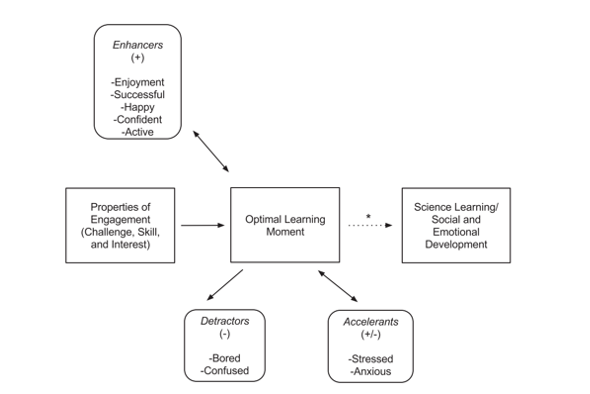
Figure 1. The conceptual framework for optimal learning
moments. Copied from Schneider et al. (2016) with permission.
Despite that the above-mentioned emotions were studied with optimal learning moments (Schneider et al., 2016), a few more important emotions and experiences are still worth considering, and they are yet to be examined. One important type of emotions is the social-related affective experiences, such as loneliness, cooperation, competition, and social expectations (Van Kleef, 2009). Given that social-related affective experiences are diverse, their relationships with optimal learning moments should be diverse as well. For instance, the feeling of loneliness (Hawkley & Cacioppo, 2010), a common indicator of negative emotion may reduce the chance to observe optimal learning moments. In contrast, the feeling of competition, may act as an accelerant since it can alter the interpretation of emotions (Van Doorn et al., 2012). However, as a whole, there is lack of research on the relationships between optimal learning moments and social-related feelings and experiences.
Another less-addressed experiences are the feelings and behaviors of persistence (Duckworth et al., 2007; Tang et al., 2019). According to the flow theory (Csikszentmihalyi, 1990), the flow experience is engaging but also shown as a transient state, and thus the persistence of flow experience is less known. Now since the optimal learning moments add an interest component to skill and challenge, whether they are accompanied by persistent experiences are unknown. A final missing knowledge is creative practices and experiences. Flow has been found closely relating to creative experiences (Csikszentmihalyi, 1997), however, again, whether the optimal learning moments co-exist with creative practices and experiences is largely unknown.
To find the relationships among optimal learning moments and various emotions and feelings, this study applied psychological network analysis (Borsboom et al., 2021; Tang, Lee, et al., 2022). Unlike social network analysis, which primarily examines the dynamics of individuals, psychological network analysis focuses on the intricate dynamics of variables. In the present study, these variables are multiple emotional states (e.g., happy, confidence, confused, anxious) that can be present at the same moment/ or situation. As a holistic approach, in psychological network analysis, relationships (known as the edges/ties in network terminology) between any two variables (known as the nodes) are accounted for other variables in the network. Thus, it provides the conditional relationships among the variables. Since networks can present the interdependencies among variables, they offer several important contributions. First, psychological network analysis helps to understand the constructs from a systematic perspective since any given connection between two nodes is conditioned by the existence of other nodes. Second, once a psychological network has been constructed, the most significant node(s) can be identified to see which one plays a critical role in the network. This, on the one hand, informs the relative importance of variables, and on the other hand gives implications for the most desirable intervention targets. Moreover, the closeness among variables within a psychological network can be further examined to see which set of variables functions together. This is particularly useful when multi-dimensional constructs are examined. Third, it allows systematic cross-network comparisons among attributes (e.g., classroom, school, country).
Most commonly, psychological network analysis has been conducted based on zero-order or first-order correlations (Borsboom et al., 2021; Christensen et al., 2020). However, the present study chose the co-occurrence psychological network analysis, which aims to show how often (or rarely) two variables co-occur at high levels. This is not only better in line with the typical data pre-process for the optimal learning moments (J. Inkinen et al., 2019, 2020; Schneider et al., 2016), but also can have several strengths over correlation-based network analysis (Moeller et al., 2018; Trampe et al., 2015). First, co-occurrence analysis avoids misinterpretation of correlations. Typically, when interpreting high positive correlations between two variables (e.g., A & B), researchers conclude that variable A is “high” when variable B is “high”, even though, in reality, both A and B might be rated at a low level on the original scale. Because correlations only denote how the ratings of two variables are aligned consistently, how these two variables occur together at a high level is not necessarily revealed in correlation analysis. Second, a frequent co-occurrence may occur even if two variables correlate negatively, which could only be detected using co-occurrence analysis. Thus, the co-occurrence psychological network analysis can shed unique insights into the feelings and experiences that co-exist with optimal learning moments.
In sum, this study aimed to understand the co-existed experiences of optimal learning moments, a certain type of situated engagement including situated interest, skill, and challenge. In addition, we used a network analysis approach and included sample from two countries (i.e., Finland and the US). As it has been reviewed above, except for those outlined in the original model (Schneider, et al., 2016), no specific hypotheses can be proposed regarding the OLM, social-related affective experiences, feelings of persistence, and creative experiences.
This study used samples from Finland and the US. Both samples’ situational feelings and experiences were obtained using experience sampling method (ESM) questionnaires delivered via smartphones.
The first sample consisted of 282 first-year upper secondary school students from nine classes in three different schools in Helsinki, Finland. Data were collected from the fall of 2018 to the spring of 2019. The students participated in a project-based learning (PBL; Krajcik & Shin, 2014) module that consisted of six lessons. This module focused on the basics of Newtonian mechanics and aimed to engage students in solving real-world scientific problems by exploring and participating in collaborative inquiry. In each lesson (about 75 minutes), the ESM questionnaire alerted the students three times: at the beginning, middle, and end of the lesson. Therefore, each student received 18 signals from the smartphone. Overall, the Finnish sample data comprised 3882 responses.
The second sample comprised 533 US high school students from 28 classes in 22 schools in the school year of 2018 to 2019. The topic of the lessons was the same as in the previous data-collection. In this sample, we used data collected during science lessons. The smartphones were programmed to alert the students randomly 6-8 times per day (at least 3-4 times when they had science lessons) over a period of 4 days. In total, the data comprised 3234 responses/situations (average response per person during the science lesson was 6.02 signals).
In both samples, the students were signaled to answer an ESM questionnaire in which they first had to indicate what kinds of activities (e.g., listening, discussion) they were engaged in. Then they were asked to report their emotions, feelings, and behaviors when they received the signal. We selected those experiences that were assessed in both two countries to compare their networks.
Three components of optimal learning moments were assessed by answering: a) are you interested in what you did? (interest); b) did you feel skilled in what you did? (skill); c) was your work challenging? (challenge). Other example questions on emotions, feelings, and behaviors includes: Did you feel happy (happy)? How well did you focus (concentrate)? Did you cope with your work (control)? Did your performance meet the expectations of others (other-expect)? A full list of items can be found in the appendix. All the items were rated on a scale of 1 (not at all) to 4 (very much).
To perform co-occurrence analysis, we first dichotomized all our situational experiences at the scale midpoint. That is, the scores of 3 and 4 were re-coded as 1, and the rest (i.e., 0 and 1) will be re-coded as 0. A relative index of edge weight was also calculated to present the most frequent experiences that co-existing with the optimal learning moments (Tang, Renninger, et al., 2022). To do so, the counts of the variable paired with the optimal learning moments were divided by the total counts of the optimal learning moments Kij/Ki. In this way, we will know the likelihood that a variable was co-occurring with the optimal learning moments.
Moreover, community detection algorithm was applied to identify the close correlates for optimal learning moments. The Louvain community detection algorithm was employed as it has shown better performance than the Walktrap algorithm (see suggestions from Christensen, Golino, & Silvia, 2020). The analyses of co-occurrence networks were conducted using R-package igraph (Csardi & Nepusz, 2006).
Finally, we conducted Network Comparison Tests (NCT; van Borkulo et al., 2017) to understand the similarities and differences between two countries’ networks in terms of pairs with optimal learning moments. Both network structure invariance tests (Test M; a test of connection strength matrix) and global connectivity invariance tests (Test S; a test of weighted sum of absolute connections) were performed. The tests were done by using R-package Network Comparison Test (van Borkulo et al., 2017). We also tested the individual edge differences between networks in terms of pairs with optimal learning moments. In other words, the connections between optimal learning moments and other nodes were compared. Given that multiple comparisons were performed in this step, and p-values were adjusted using Benjamini-Hochberg method (Thissen et al., 2002).
The results of co-occurrences for optimal learning moments can be seen in Table 1 for Finnish students and Table 2 for US students. In Finnish science classrooms, optimal learning moments appeared 475 times. Given that we received 3882 responses in total, this means the chance to observe optimal learning moments in Finnish science classrooms was about 12% (475/3882 = 0.1223). When optimal learning moments occurred, feelings of concentration (edge=432; 90.95%), enjoyment (edge=422; 88.84%), success (edge=415; 87.37%), meeting self-expectations (edge=414; 87.16%), meeting others’ expectations (edge=411; 86.53%), feelings of control (edge=411; 86.53%) were the top five co-occurring experiences. The results also showed that the general within-level correlations between optimal learning moments and other experiences were low (max = 0.17), although most were significant.
The co-occurrence of optimal learning moments with social-related feelings were salient. When optimal learning moments happened, it was unlikely to be lonely (8.21%). The feeling of being cooperative was also high (85.05%), though was not among the top 5 list. The feeling of competitive co-occurred with optimal learning moments moderately (39.58%), implying that it may serve as an accelerant factor. The co-occurrence likelihoods of creative experiences (i.e., practices of exploring ideas, using imagination, finding new solutions) with optimal learning moments were moderate (58.95%-68.84%).
In the US science classrooms, optimal learning moments appeared 534 times. Given that we received 3234 responses in total, this means the chance to observe optimal learning moments in US science classrooms was about 16% (534/3234 = 0.1665). When optimal learning moments occurred, feelings of success (edge=527; 91.81%), concentration (edge=513; 89.37%), meeting self-expectations (edge=496; 86.41%), meeting others’ expectations (edge=477; 83.10%), feelings of control (edge=465; 81.01%) were the top five co-occurring experiences. The results also showed that the general within-level correlations between optimal learning moments and other experiences were low but still significant (max = 0.21). Compared to the correlation table using Finnish data, the within-level correlations between optimal learning moments and other experiences were relatively higher, particularly for the top 10 emotional experiences.
The co-occurrence of optimal learning moments with social-related feelings was salient. When optimal learning moments happened, it was unlikely to be bored (42.33%). The feeling of cooperative was also high (77.00%). The feeling of competitive co-occurred with optimal learning moments moderately (42.58%), implying that it may serve as an accelerant factor. The co-occurrence likelihoods of creative experiences (i.e., using imagination, finding solutions) with optimal learning moments were moderate (58.71%-67.25%).
While the previous co-occurrence analysis identified the uni-directional information on the pair connection with optimal learning moments. That is, the likelihood of occurrence when optimal learning moments occurred . The communities among co-occurrence networks indicated the feelings and experiences that are mutually closely appeared (i.e., the most closely associated variable groups). Each variable belongs to a certain community. Variables belonging to the different community mean they are not closely related. With this information, we can then infer the positions of variables in the OLM framework. According to the Finnish results (see Figure 2), creative experiences and feelings of competitiveness and pride were in the same community with the optimal learning moments. Positive emotions, such as happiness, excitement, and enjoyment, tended to cluster together. The same happened for negative emotions (e.g., feelings of anxious, lonely, stress, bored, confused, give up) as a cluster.
In the US science classrooms (see Figure 3), optimal learning moments formed the group with the attitudes toward scientific practices (i.e., feeling that the practices is important to self and to the future). As in the Finnish science classrooms, positive and active experiences (e.g., feelings of happy, excited, competitive, proud, confident, active) were in the same group, whereas negative experiences (e.g., feelings of anxious, lonely, stress, bored, confused, give up) were together.
Finally, we examined the equivalence of the two countries’ networks by conducting the network comparison tests based on the Pearson’s correlations (see full results in the online supplementary materials, https://osf.io/3db4r/?view_only=3e79a5389ab04fd7bd599d723052be7e). The global strength of the networks (i.e., the global degree of connectivity among variables) was insignificant (Test statistic S = 5.102; Finnish network strength = 67.269, the US’s network strength = 62.166; p = .12). The network invariance test that aimed to examine the differences in paired edges was significant (Test statistic M =1.022, p <.001). Further checking of the individual edges showed that they lied on the pair of OLM and concentration, and of OLM and future importance of science practice. The US students, in comparison to Finnish students, reported more feelings of concentration and future importance when reporting optimal learning moments.
Table 1
Co-occurrences of OLM-emotion and motivation pairs in the Finnish Sample
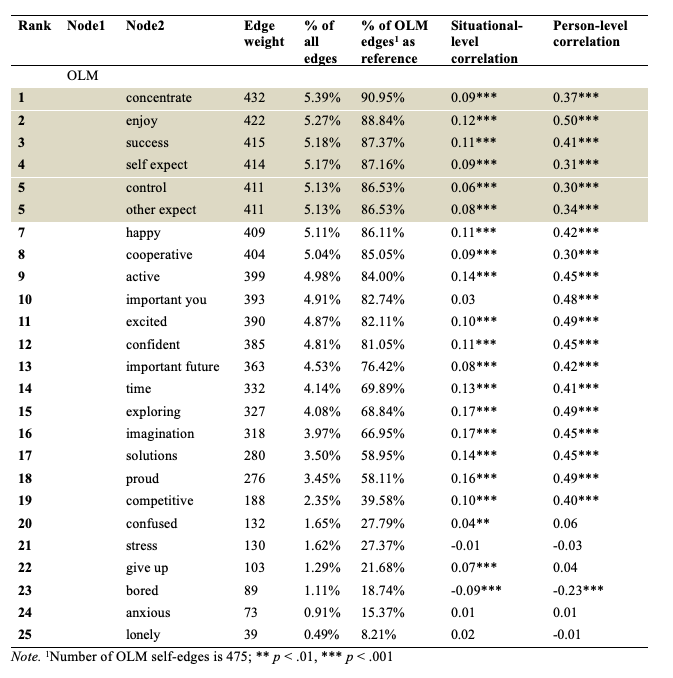
Table 2
Co-occurrences of OLM-emotion and motivation pairs in the US Sample.
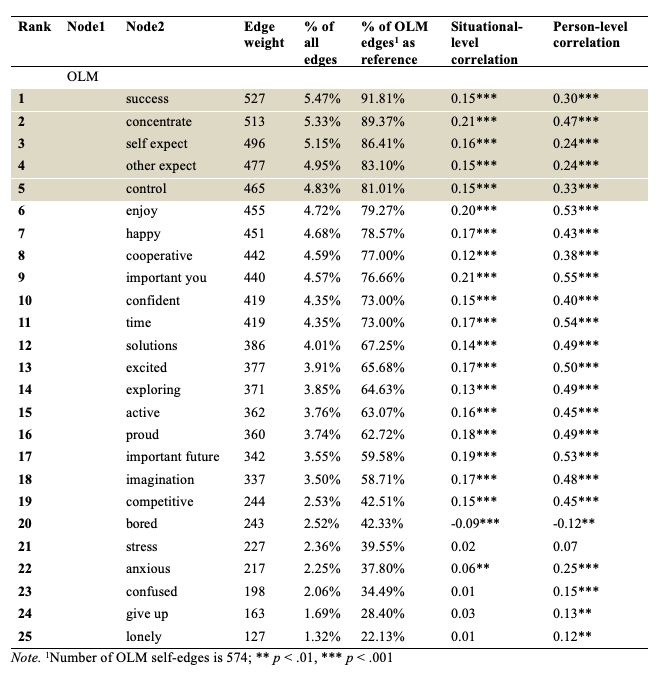
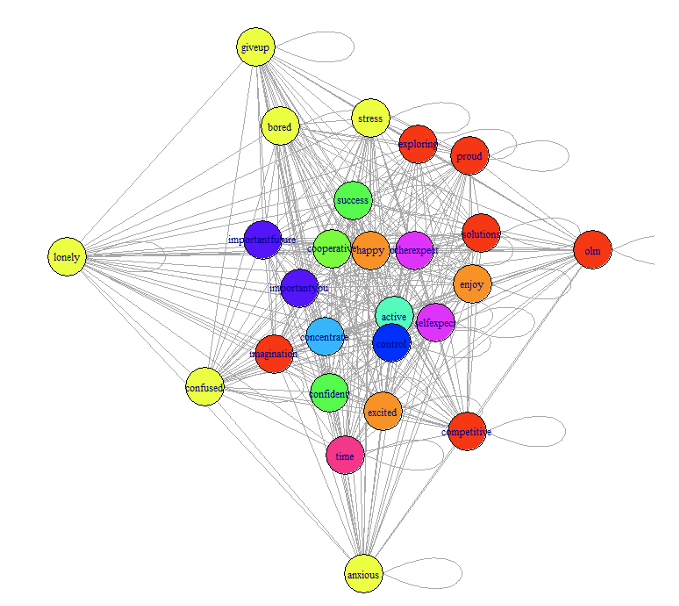
Figure 2. Co-occurrences networks with communities among Finnish sample.
Notes. Nodes under same colours are in the same community; Community 1: olm, competitive, proud, imagination, solutions, exploring; Community 2: happy, excited, enjoy; Community 3: anxious, lonely, stress, bored, confused, give up; Community 4: cooperative; Community 5: confident, success; Community 6: active; Community 7: concentrate; Community 8: control; Community 9: important you, important future; Community 10: other expect, self expect; Community 11: time. Ties between nodes are conditional correlations between them.
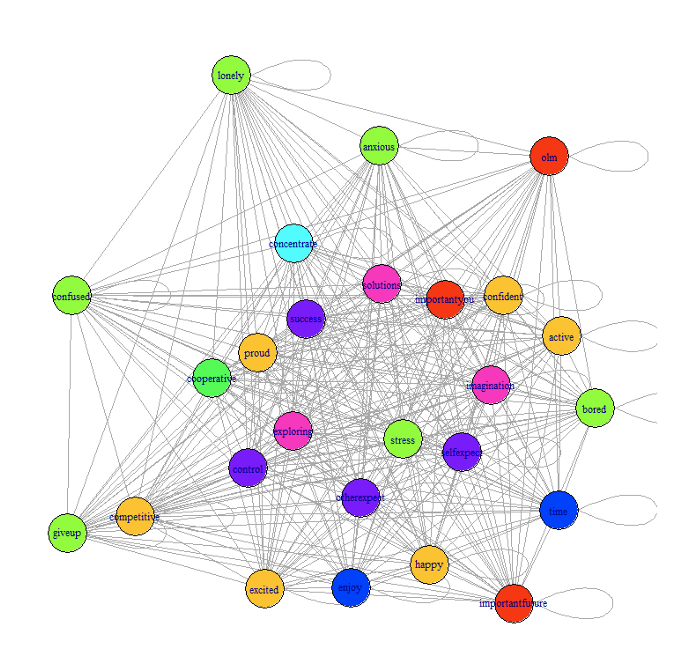
Figure 3. Co-occurrences networks with communities among US sample.
Notes. Nodes under same colours are in the same community; Community 1: olm, important you, important future; Community 2: happy, excited, competitive, proud, confident, active; Community 3: anxious, lonely, stress, bored, confused, give up; Community 4: cooperative; Community 5: concentrate; Community 6: enjoy, time.; Community 7: control, success, other expect, self expect; Community 8: imagination, solutions, exploring. Ties between nodes are conditional correlations between them.
While optimal learning moments (OLM) were examined with positive and negative emotions and experiences, there was a lack of comprehensive knowledge of it; particularly regarding its relationships with social-related experiences (e.g., cooperation, proud), feeling of persistence (e.g., not giving up), and creative experiences (e.g., using imagination). The present study thus filled those research gaps by including more experiences and by using two countries’ samples with a holistic analysis approach. We found that when students indicated that they were in OLM, they were most likely concentrating on what they were doing, experiencing positive emotions (e.g., enjoyment, happiness) and success, feeling in control, doing things important to them, and fulfilling both their own and others’ expectations. Moreover, the students in OLM reported rarely being bored, confused, lonely, or anxious, and were unlikely to give up on what they were doing. However, we also found that social-related feelings of competitiveness and proud should be better understood as OLM’s accelerants; creative experiences were enhancers. In sum, our findings corroborate with those of Schneider et al. (2016) and expand the model with more experiences. We thus propose an updated OLM model in science learning situations (see Figure 4).
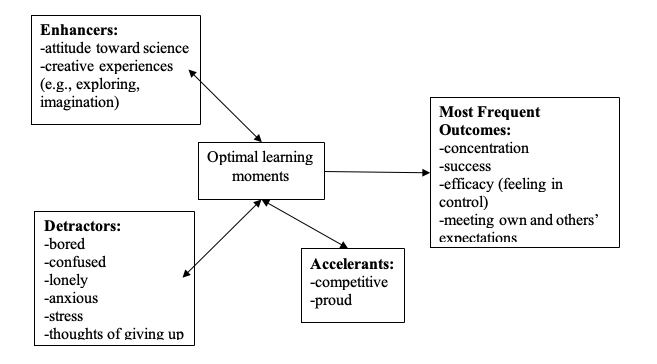
Figure 4. An updated optimal learning moments model in science classrooms.
Figure 4. An updated optimal learning moments model in science classrooms.
Using co-occurrence network analysis, we found that when OLM occurred, it was high likely to observe the experiences of concentration, efficacy, enjoyment, happiness, and success. These findings align with the speculations of Schneider et al. (2016) and the findings of flow theory (Csikszentmihalyi, 1990). When students reported high-level challenge, skill, and interest, they were most likely in the zone of flow. As a result, they were completely engaged in the situational task, thus forgetting the time and feeling the pleasure and inner peace. Different from Schneider et al. (2016), those positive experiences were placed in the outcomes box not in the enhancers box as we did not observe OLM and positive experiences in the same network community. However, this did not mean the positive experience will not facilitate OLM. In the long run, as students engaged in more positive experiences in those situations, they were more likely to seek them for the OLM.
The network community analysis tended to suggest that OLM enhancers were attitudes toward science (e.g., importance of science for self and the future) and creative experiences (e.g., using imagination, exploring multiple solutions). That is, when students found the science learning situations were important for themselves and for their future, they were in turn most likely engaged in the optimal learning moments. Previous intervention studies (e.g., Hulleman et al., 2010) showed that interest can be piqued by improving the utility value (i.e., instrumental importance). Thus, it is not surprising to see OLM was enhanced when students saw the value of science. Additionally, we found that OLM was enhanced when students were doing creative activities, such as exploring tasks, using imaginations, or finding new solutions. Creative activities are typically challenging (Runco & Jaeger, 2012); this, in turn, facilitates the challenge component of OLM and enhances the chance to observe the OLM as a whole.
In line with Schneider et al. (2016), the present study found that the feelings of boredom and confusion rarely co-existed with OLM, thus implying that they were detractors of OLM. Since OLM was co-occurred with many positive experiences, it is not surprising to see negative emotions like boredom and confusion show opposite direction. This finding extended to a negative social-related emotion: loneliness. When people feel lonely, they tend not to be very active (Pels & Kleinert, 2016), thus are less likely to seek for challenges. The same goes for the thoughts of giving up. When this happens, people stop taking on new situations, this thus will hinder the development of OLM.
However, different from Schneider et al. (2016), the present study found anxious and stressed experiences should be better understood as detractors rather than accelerants given their low co-occurrence with OLM. This may due to the fact that OLM co-existed with positive emotions (e.g., enjoyment, happiness), thus it is very unlikely to observe anxious and stressed emotions at the same time.
We found that the feelings of competitiveness and pride, on the one hand, were in the same group as OLM through the network community analysis. On the other hand, the co-occurred chance of them was moderate (40%-60%) when OLM occurred. That means, they have complex relationships with OLM, and thus can be regarded as accelerants. This is particularly evident among Finnish high school students.
Being accelerants means their associations with OLM can be either positive or negative depending on their level of strength. Previous studies found that competitiveness, as a part of social pressure, can stimulate motivation and performance when it is at the benign level (Tauer & Harackiewicz, 2004). However, when the level of competitiveness is too high, it will most likely hurt learning (Murayama & Elliot, 2012). Similarly, the feeling of pride can also be detrimental to learning when it is at an excess level (Tracy & Robins, 2007).
Using experience sampling method, this study examined a certain type of situated engagement, i.e., optimal learning moments (OLM), that is formed as high levels of interest, skill, and challenge in learning situations. We took a further step by including additional emotions and experiences, using data from two countries, and applying the holistic psychological network approach. The findings extend the understanding of OLM and thus provide a broader framework for OLM in science learning situations. This, as a consequence, can shed important theoretical and practical implications to the field.
First, an updated OLM framework was proposed on the basis of Schneider et al. (2016). This updated framework enriched the understandings of OLM’s enhancers, detractors, accelerants, and outcomes. More importantly, their relationships have been elucidated in the model.
Second, our findings implied that we should enhance students’ attitudes toward science and provide creative experiences in order to facilitate optimal learning moments in science lessons. When students feel science is important to them, they are more willing to take challenging on tasks and put more effort into the task for further engagement.
Third, we also found that we can harness the power of competitiveness and pride to accelerate OLM, however, they should be utilized with caution and at the benign level. Social-related emotions and experiences (e.g., social/peer pressure) can be beneficial for learning and engagement, however, they should be enhanced under control.
Last, the study also showed that network analysis can serve as a powerful tool to understand the complex associations among a group of variables. It can shed lights on the bi-directional and uni-directional influences among them.
Despite the novel findings and contributions, some limitations of the study still need to be considered. First, the emotions or feelings were measured using self-reported items. Although self-report is still a vital way to check the mental experiences, it is also subject to reporting bias. Second, it is still challenging to make causal inference using cross-sectional data, even though psychological network analysis can partly help to make the causal inferences (Lee et al., 2022). Thus, the causal interpretation of our findings should be approached with caution.
The work has been supported by the Research Council of Finland (No. 340794; 345117 and 336138) and National Science Foundation under PIRE No.1450756. The opinions expressed here are those of the authors and do not represent the views of the funding agency
Borsboom, D., Deserno, M. K., Rhemtulla, M., Epskamp, S., Fried,
E. I., McNally, R. J., Robinaugh, D. J., Perugini, M., Dalege, J.,
Costantini, G., Isvoranu, A.-M., Wysocki, A. C., van Borkulo, C.
D., van Bork, R., & Waldorp, L. J. (2021). Network analysis of
multivariate data in psychological science. Nature Reviews
Methods Primers, 1(1), 58.
https://doi.org/10.1038/s43586-021-00055-w
Christensen, A. P., Golino, H., & Silvia, P. J. (2020). A
psychometric network perspective on the validity and validation of
personality trait questionnaires. European Journal of
Personality, per.2265. https://doi.org/10.1002/per.2265
Csardi, G., & Nepusz, T. (2006). The igraph software package
for complex network research. InterJournal, Complex
Sy, 1695. http://igraph.org
Csikszentmihalyi, M. (1990). Flow: The psychology of optimal
experience . Harper and Row.
Csikszentmihalyi, M. (1997). Flow and the psychology of discovery
and invention. HarperPerennial, New York.
https://doi.org/10.1037/e586602011-001
Duckworth, A. L., Peterson, C., Matthews, M. D., & Kelly, D.
R. (2007). Grit: Perseverance and passion for long-term goals.
Journal of Personality and Social Psychology , 92(6),
1087–1101. https://doi.org/10.1037/0022-3514.92.6.1087
Hawkley, L. C., & Cacioppo, J. T. (2010). Loneliness matters:
A theoretical and empirical review of consequences and mechanisms.
Annals of Behavioral Medicine , 40(2),
218–227. https://doi.org/10.1007/s12160-010-9210-8
Hendolin, I. (2016). Exploring optimal learning moments at
tutorial sessions. 2016 Physics Education Research Conference
Proceedings, 144–147.
https://doi.org/10.1119/perc.2016.pr.031
Hulleman, C. S., Godes, O., Hendricks, B. L., & ... (2010).
Enhancing interest and performance with a utility value
intervention. Journal of … .
https://psycnet.apa.org/record/2010-21220-001
Inkinen, J., Klager, C., Juuti, K., Schneider, B., Salmela‐Aro,
K., Krajcik, J., & Lavonen, J. (2020). High school students’
situational engagement associated with scientific practices in
designed science learning situations. Science Education,
104(4), 667–692. https://doi.org/10.1002/sce.21570
Inkinen, J., Klager, C., Schneider, B., Juuti, K., Krajcik, J.,
Lavonen, J., & Salmela-Aro, K. (2019). Science classroom
activities and student situational engagement. International
Journal of Science Education , 41(3), 316–329.
https://doi.org/10.1080/09500693.2018.1549372
Inkinen, M., Lonka, K., Hakkarainen, K., Muukkonen, H., Litmanen,
T., & Salmela-Aro, K. (2014). The interface between core
affects and the challenge–skill relationship. Journal of
Happiness Studies, 15 (4), 891–913.
https://doi.org/10.1007/s10902-013-9455-6
Krajcik, J. S., & Shin, N. (2014). Project-Based Learning. In
R. K. Sawyer (Ed.), The Cambridge Handbook of the Learning
Sciences (pp. 275–297). Cambridge University Press.
https://doi.org/10.1017/CBO9781139519526.018
Moeller, J., Ivcevic, Z., Brackett, M. A., & White, A. E.
(2018). Mixed emotions: Network analyses of intra-individual
co-occurrences within and across situations. Emotion, 18(8),
1106–1121. https://doi.org/10.1037/emo0000419
Murayama, K., & Elliot, A. J. (2012). The
competition–performance relation: A meta-analytic review and test
of the opposing processes model of competition and performance. Psychological
Bulletin, 138 (6), 1035–1070.
https://doi.org/10.1037/a0028324
Pekrun, R. (2006). The control-value theory of achievement
emotions: Assumptions, corollaries, and implications for
educational research and practice. Educational Psychology
Review, 18(4), 315–341.
https://doi.org/10.1007/s10648-006-9029-9
Pels, F., & Kleinert, J. (2016). Loneliness and physical
activity: A systematic review. International Review of Sport
and Exercise Psychology , 9(1), 231–260.
https://doi.org/10.1080/1750984X.2016.1177849
Runco, M. A., & Jaeger, G. J. (2012). The Standard Definition
of Creativity. Creativity Research Journal, 24(1),
92–96. https://doi.org/10.1080/10400419.2012.650092
Schneider, B., Krajcik, J., Lavonen, J., Salmela-Aro, K., Broda,
M., Spicer, J., Bruner, J., Moeller, J., Linnansaari, J., Juuti,
K., & Viljaranta, J. (2016). Investigating optimal learning
moments in U.S. and Finnish science classes. Journal of
Research in Science Teaching, 53(3), 400–421.
https://doi.org/10.1002/tea.21306
Tang, X., Lee, H. R., Wan, S., Gaspard, H., & Salmela-Aro, K.
(2022). Situating Expectancies and Subjective Task Values Across
Grade Levels, Domains, and Countries: A Network Approach. AERA
Open, 8, 233285842211171.
https://doi.org/10.1177/23328584221117168
Tang, X., Renninger, K. A., Hidi, S. E., Murayama, K., Lavonen,
J., & Salmela-Aro, K. (2022). The differences and similarities
between curiosity and interest: Meta-analysis and network
analyses. Learning and Instruction , 80,
101628. https://doi.org/10.1016/j.learninstruc.2022.101628
Tang, X., Wang, M.-T., Guo, J., & Salmela-Aro, K. (2019).
Building grit: The longitudinal pathways between mindset,
commitment, grit, and academic outcomes. Journal of Youth and
Adolescence, 48(5), 850–863.
https://doi.org/10.1007/s10964-019-00998-0
Tauer, J. M., & Harackiewicz, J. M. (2004). The Effects of
Cooperation and Competition on Intrinsic Motivation and
Performance. Journal of Personality and Social Psychology
, 86(6), 849–861.
https://doi.org/10.1037/0022-3514.86.6.849
Thissen, D., Steinberg, L., & Kuang, D. (2002). Quick and easy
implementation of the benjamini-hochberg procedure for controlling
the false positive rate in multiple comparisons. Journal of
Educational and Behavioral Statistics , 27(1),
77–83. https://doi.org/10.3102/10769986027001077
Tracy, J. L., & Robins, R. W. (2007). Emerging Insights Into
the Nature and Function of Pride. Current Directions in
Psychological Science , 16(3), 147–150.
https://doi.org/10.1111/j.1467-8721.2007.00493.x
Trampe, D., Quoidbach, J., & Taquet, M. (2015). Emotions in
Everyday Life. PLOS ONE, 10(12), e0145450.
https://doi.org/10.1371/journal.pone.0145450
van Borkulo, C. D., Boschloo, L., Kossakowski, J. J., Tio, P.,
Schoevers, R. A., Borsboom, D., & Waldorp, L. J. (2017).
Comparing network structures on three aspects: A permutation test.
Journal of Statistical Software .
https://doi.org/10.13140/RG.2.2.29455.38569
Van Doorn, E. A., Heerdink, M. W., & Van Kleef, G. A. (2012).
Emotion and the construal of social situations: Inferences of
cooperation versus competition from expressions of anger,
happiness, and disappointment. Cognition & Emotion
, 26(3), 442–461.
https://doi.org/10.1080/02699931.2011.648174
Van Kleef, G. A. (2009). How emotions regulate social life.
Current Directions in Psychological Science , 18(3),
184–188. https://doi.org/10.1111/j.1467-8721.2009.01633.x
Experiences measured in the study
What do you feel and think about the activity you did (1 Not at
all ….. 4 Very Much)
• Did you feel happy?
• Did you feel excited?
• Did you feel anxious?
• Did you feel competitive?
• Did you feel lonely?
• Did you feel stress?
• Did you feel proud?
• Did you feel cooperative?
• Did you feel bored?
• Did you feel confident?
• Did you feel confused?
• Did you feel active?
• Were you interested in what you did? (interest)
• Did you feel skilled in what you did? (skill)
• Was your work challenging? (challenge)
• Did you feel that you wanted to give up? (give up)
• How well did you focus? (concentrate)
• Did you like what you did? (enjoy)
• Did you manage your work? (control)
• Did you succeed? (success)
• Was it what you did important to you? (important to you)
• Was it what you did important for your future? (important to
future)
• Did your performance meet the expectations of others? (other
expect)
• Did you do follow your own expectations? (self expect)
• Were you immersed in what you did not notice the passage of
time? (time)
• While working… I used my imagination (imagination)
• While working… solving problems with multiple answers
(solutions)
• While working… I tried different solutions for exploring
(exploring)
Notes. Bolded and underlined ones are newly added experiences in addition to those in Schneider et al. (2016).